
 EN
EN
 AR
AR
 BG
BG
 HR
HR
 CS
CS
 DA
DA
 NL
NL
 FI
FI
 FR
FR
 DE
DE
 EL
EL
 HI
HI
 IT
IT
 JA
JA
 KO
KO
 NO
NO
 PL
PL
 PT
PT
 RO
RO
 RU
RU
 ES
ES
 SV
SV
 TL
TL
 IW
IW
 ID
ID
 LT
LT
 SR
SR
 SK
SK
 SL
SL
 UK
UK
 VI
VI
 SQ
SQ
 ET
ET
 GL
GL
 HU
HU
 TH
TH
 TR
TR
 FA
FA
 MS
MS
 BN
BN
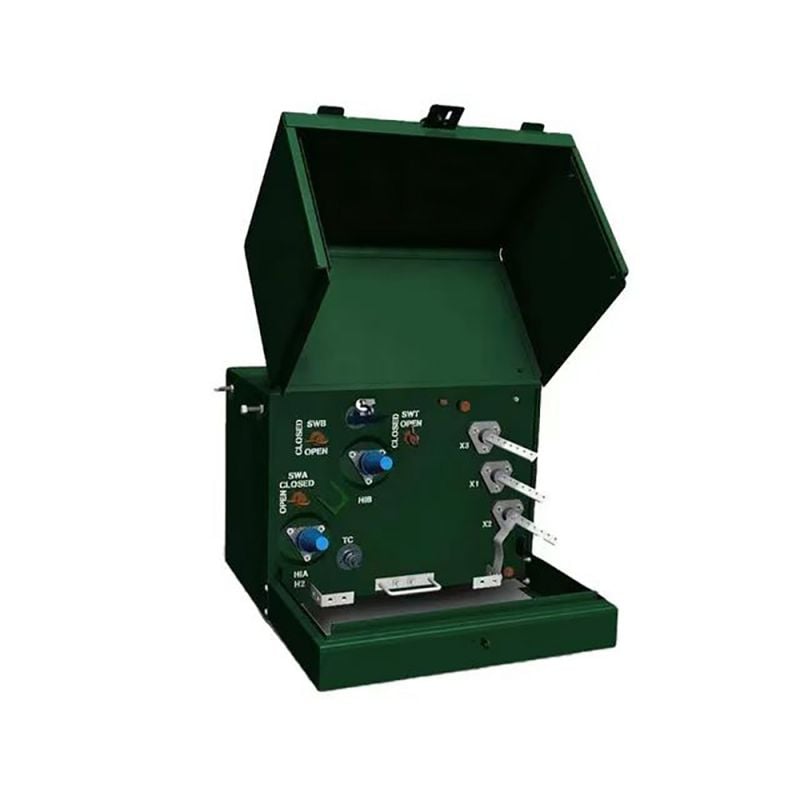
Choosing between a 75 kVA and a 100 kVA pad mount transformer can be a big decision. These transformers help convert high voltage electricity into lower voltage that businesses and homes can use. Making the right choice is important because it affects how much power you can use safely and effectively. At First Power, we understand how essential it is to select the right transformer for your needs. Let’s break down the differences and how to pick the right kVA rating.
What Are the Key Differences Between 75 kVA and 100 kVA Pad Mount Transformers?
The main difference between a 75 kVA and a 100 kVA pad mounted transformers is the amount of power they can handle. A 75 kVA transformer can supply up to 75 kilovolt-amperes of electricity, while a 100 kVA transformer can supply 100 kilovolt-amperes. This means the 100 kVA transformer can handle larger loads and more devices at once. Imagine a small café that only needs power for lights and a few appliances. A 75 kVA transformer might be just right for them. But if that café wants to expand or add more equipment, they might need a 100 kVA transformer. Another difference is size and cost. Generally, a 100 kVA transformer is bigger and more expensive than a 75 kVA one. However, the price difference can be worth it if you plan to use more power in the future. Also, efficiency can change. Sometimes, a transformer that is working closer to its maximum capacity can be less efficient. So, if you are always pushing a 75 kVA transformer to its limits, it might be better to get a 100 kVA transformer instead.
How to Determine the Right kVA Rating for Your Electrical Needs
Choosing the right kVA rating for your needs may seem tricky, but it can be easier if you follow some steps. Start by calculating how much electricity your devices need. Look at the appliances, lights, and equipment you want to run. Each device usually has a label showing how much power it uses. Add up all those numbers to find the total. If the total is less than 75 kVA, then a 75 kVA transformer could work for you. If it’s close to or over 75 kVA, you might want to go with 100 kVA. It’s also smart to think about any future plans. If you expect to add more machines or power needs, picking a 100 kVA transformer now can save you trouble later. Additionally, consider your location and local regulations. Some places have specific requirements for transformers, which could affect your choice. Lastly, consulting with experts, like those at First Power, can provide valuable insights based on experience and knowledge of the industry. They can help you understand your specific needs and guide you to the best choice for your situation.
75 kVA vs. 100 kVA Pad Mount Transformer: Which One Should You Choose?
When deciding between a 75 kVA and a 100 kVA transformer, it’s important to think about how you will use it. Common usage issues can really help you make the best choice. A 75 kVA transformer is usually good for smaller buildings or areas that don’t need too much power. If you only need to power some lights, computers, or small machines, a 75 kVA might be enough. But, if you think you might add more machines or equipment in the future, you might need more power. That’s where the 100 kVA transformer comes in. It can handle more load, which means you can run more things at the same time without worrying about overloading it. Also, think about the peak usage times. Sometimes, businesses need more power during certain hours. If you expect to have high demand during those times, the 100 kVA transformer is a better choice. Additionally, consider the location of the transformer. If it’s going in a busy area with lots of equipment, having a little extra power can prevent problems. If you choose a transformer that is too small, you might face issues like flickering lights or machines not working correctly. This can lead to downtime, which is not good for business. First Power wants you to avoid these issues by helping you choose the right transformer for your needs.
Long-Term Benefits of a 100 kVA Pad Mount Transformer
Investing in a 100 three phase pad mounted transformers can have many long-term benefits. First, let’s talk about reliability. A 100 kVA transformer can provide steady power, which means your equipment will run smoothly. This is important for businesses because a reliable power source helps keep everything working as it should. If you have machines that need constant power, a 100 kVA transformer will help ensure they don’t stop unexpectedly. Another long-term benefit is that a larger transformer can be more cost-effective. While it might cost more upfront, it can save you money later. If you have to replace a smaller transformer because it can’t handle your needs, that can be expensive. Additionally, a 100 kVA transformer can support future growth. If your business grows, you won’t need to buy a new transformer right away. This means you can invest that money into other areas of your business instead. Moreover, a 100 kVA transformer can improve energy efficiency. More efficient transformers waste less energy, which can lower your electricity bills over time. First Power understands the importance of making wise investments, and selecting a 100 kVA transformer can be a smart choice for many businesses.
Tips to Maximize Transformer Performance and Reliability
To ensure the best performance and reliability of your transformer, it is important to take a few steps. First, proper installation is key. Make sure that a qualified electrician or technician installs your transformer. They will know how to connect everything safely and correctly. If the installation is not done right, it can lead to problems later on. Next, regular maintenance is essential. Just like a car needs oil changes, your transformer needs to be checked and serviced regularly. This can include checking for any signs of wear and tear, cleaning, and ensuring all connections are tight. First Power recommends setting up a maintenance schedule to keep your transformer in top shape. Another important point is to monitor the load on your transformer. Knowing how much power you are using can help you avoid overloading it. You can use monitoring tools to check the current load and make changes if needed. Lastly, always stay informed about updates and upgrades. Technology changes, and sometimes new tools or methods can help improve your transformer’s performance. Reading about new advancements in transformer technology can help you make better choices in the future. By following these steps, you can ensure that your transformer works well and lasts a long time, providing reliable power for your needs.
Table of Contents
- What Are the Key Differences Between 75 kVA and 100 kVA Pad Mount Transformers?
- How to Determine the Right kVA Rating for Your Electrical Needs
- 75 kVA vs. 100 kVA Pad Mount Transformer: Which One Should You Choose?
- Long-Term Benefits of a 100 kVA Pad Mount Transformer
- Tips to Maximize Transformer Performance and Reliability