
 EN
EN
 AR
AR
 BG
BG
 HR
HR
 CS
CS
 DA
DA
 NL
NL
 FI
FI
 FR
FR
 DE
DE
 EL
EL
 HI
HI
 IT
IT
 JA
JA
 KO
KO
 NO
NO
 PL
PL
 PT
PT
 RO
RO
 RU
RU
 ES
ES
 SV
SV
 TL
TL
 IW
IW
 ID
ID
 LT
LT
 SR
SR
 SK
SK
 SL
SL
 UK
UK
 VI
VI
 SQ
SQ
 ET
ET
 GL
GL
 HU
HU
 TH
TH
 TR
TR
 FA
FA
 MS
MS
 BN
BN
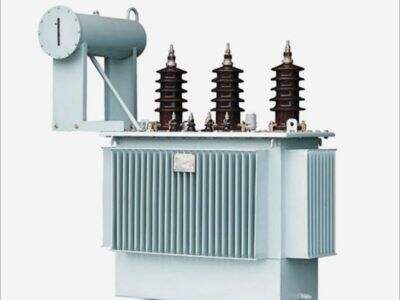
When we're talking about daily life, energy is a pretty big deal. We use it for power in our homes, schools and businesses. But there’s a thing that’s happening right now — it’s called an energy shortage. This translates to sometimes not having energy left over for all of our needs. Transformers can help solve this problem, in part. Transformers are unique devices used for transporting electricity from one area to another. They help ensure our power can go where it’s most needed. At First Power, we know that the need for electric transformer to help keep our power system performing as it should is of vital importance right now.
Transformer Efficiency Facts for Wholesale Buyers
Efficiency of the transformers is a very important factor when purchasing transformers. Efficiency is about how good a transformer can do nothing but switch energy from one thing to another without losing too much of it. A high-efficiency transformer loses less energy as heat. In other words, more energy is directed to where it’s required. Let’s say we have a transformer that is 98% efficient. What does this tell us? It means that for every 100 units of energy, the transformer uses 98 units and loses only two. This is not only good for the environment, but will save you money on your energy costs as well. Consumers purchasing wholesale transformer need to inquire about the efficiency of the type transformer. More efficiency usually has a higher upfront price, but it is worth far more than that over time. Think of it as an investment. Similarly, selecting for transformers with high efficiency can help lower the utility bills, and meet environmental targets. Also: when you’re in the market for transformers, it’s a good idea to consider size and type. Transformers are not all the same. For instance, some work well for big factories and others are ideal for small shops. Depending on where the transformer will be employed and what type of electrical load it will work on, buyers need to consider various factors. This makes it easy to mix and match for the perfect seating solution.
Finding the Right Transformers for Your Power System Requirements
Selecting the appropriate transformer for you is a major decision and appears to be overwhelming at first. But it doesn’t have to be. First, consider what you require. Are you talking about a home or a huge factory? It will help to streamline your options. Next, consider the voltage levels. Transformers have voltage ratings. You’ll want to be sure the transformer is compatible with your power system’s voltage. Choose a power transformers with the wrong voltage, and you can run into trouble, even damaging equipment. Something else to consider is where the transformer will be situated. If it will be placed outside, ensure that it is weather-proof. Some of the transformers are built to withstand the elements, including rain and snow or even extreme heat. Oh, and don’t forget to consider capacity. That’s how much power the transformer takes. You want a transformer that can handle the load that you are going to put on it. It is not a good idea to overburden it because that would increase the risk of failures or unsafe situations. When it comes to first power we would suggest that you contact the professionals and let's help you grow in knowledge. They can help you decide on the right one for your particular needs. By doing so, you can guarantee that you receive a transformer which is an ideal fit and operates effectively for your power system.
What are some Common Problems faced by Transformers in Power Systems?
Transformers are key to getting electricity around. They help transform high-voltage electricity into low-voltage electricity that we can use in our homes and schools. But like all machines, transformers can break down. One common issue is overheating. If they get too hot, transformers can fail or shut down. It may occur from too much electricity passing through them or if they are not sufficiently cooled. Another problem is daily wear and tear. Transformers are in perpetual use, and they can wear out over time. This may result in the transformer’s internal components being damaged and failure of the transformer. Water also can work its way into transformers at times as well. This is a big problem since water can destroy the electrical components within.
Even tougher: Some transformers may be obsolete. Older transformers may not be as efficient as newer models if technology has advanced. That can result in inefficiency, because they don’t perform the proper kind of work. It can also lead to increased energy prices for everyone. Transformers, too, can fall victim to external conditions such as storms or flooding. Transformers can be damaged by heavy rain or high wind, leading communities to lose power. Organisations such as First Power are needed to ensure that transformers are regularly and consistently checked and serviced against these problems. Issues may require time to resolve, resulting in extended power losses. With proper maintenance and swift repairs, transformers can keep running smoothly so that we have the electricity we need without disruptions.
What are some of the technological advances in transformer technology and how are they driving the future of energy?
And now as we head into the future, new developments in transformer technology will allow us to create energy systems that perform even better and are more reliable than those of today. One of the exciting innovations is the introduction of smart transformers. Smart transformers will be able to talk to other parts of the energy system. This allows them to transmit and receive information about how much electricity is being used and how much is available. With this knowledge, energy companies can more intelligently decide how to bring power on and off line in the region, helping to ensure that there is enough for everyone. The new materials are also an important novelty. Engineers are replacing old-school metal parts, with new materials that are lighter and stronger. These new materials will help to increase the efficiency of transformers, making them save energy and be more cost‑effective.
Also, some transformers are already being made greener. For instance, new designs may require less oil and create less waste. This matters because it sustains our environment, and still gives us the power we require. Other companies, like First Power, are also trying to make transformers smaller and easier to install. Small transformers can fit into a new space and be used in more places, such as cities where there is less room. Another advancement is the renewable energy transformer. These are designed to be used with energy sources such as solar and wind power. As we transition away from fossil fuels, the development of transformers capable of receiving renewable energy is an imperative component to creating a cleaner future. These new ideas are examples of how technology is changing the way we think about power and how we can make our energy systems better for all.
Maximize your energy-efficiency with bulk transformer solutions
If we want to maximize our energy systems, efficiency in sourcing energy is key. One such method is acquiring wholesale transformer plans. Companies can often secure better prices by purchasing transformers in bulk. This translates to a lower price for higher quality transformers that performance with efficiency. First Power has developed a range of transformers that meets various requirements. Companies can enhance their energy efficiency by selecting the proper transformers for individual projects. One option for minimising energy loss in the process of voltage level conversion, is the use of performance-optimised transformers.
Routine maintenance is also a great way to keep things running efficiently. If transformers are well maintained, they are more likely to work better and last longer. This involves an examination for any potential wear, tear, and repairs. If companies need transformers, they can also assess whether those being used are necessary. For instance, a transformer won’t work as efficiently if it is overloaded. With that information on electricity usage and how transformers are performing, companies can make adjustments to increase efficiency. You also might consider training your workers in how to work with transformers and set them up.
Smart technology can also lead to increased efficiency in monitoring transformers. Through the collection of data on how transformers are performing in service, companies can identify any issues early and make adjustments. Being proactive in this way can forestall issues before they occur. wholesale transformer solutions to the maximum energy efficiency is essential in ensuring that we have a dependable and long-term sustainable energy future. By using the appropriate transformers and best practices, we can save energy and cut costs in a way that will benefit everyone in our communities.
Table of Contents
- Transformer Efficiency Facts for Wholesale Buyers
- Finding the Right Transformers for Your Power System Requirements
- What are some Common Problems faced by Transformers in Power Systems?
- What are some of the technological advances in transformer technology and how are they driving the future of energy?
- Maximize your energy-efficiency with bulk transformer solutions