
 EN
EN
 AR
AR
 BG
BG
 HR
HR
 CS
CS
 DA
DA
 NL
NL
 FI
FI
 FR
FR
 DE
DE
 EL
EL
 HI
HI
 IT
IT
 JA
JA
 KO
KO
 NO
NO
 PL
PL
 PT
PT
 RO
RO
 RU
RU
 ES
ES
 SV
SV
 TL
TL
 IW
IW
 ID
ID
 LT
LT
 SR
SR
 SK
SK
 SL
SL
 UK
UK
 VI
VI
 SQ
SQ
 ET
ET
 GL
GL
 HU
HU
 TH
TH
 TR
TR
 FA
FA
 MS
MS
 BN
BN
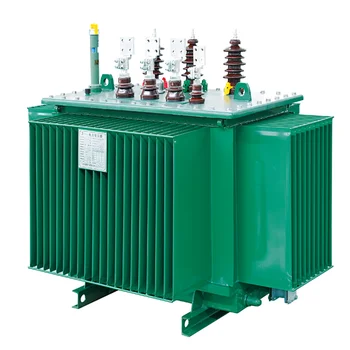
When it comes to transformers, two popular types are oil-filled and dry-type transformers. Each has its own special features and benefits. Choosing the right one can make a big difference in how well your electrical system works. At First Power, we know that picking the right transformer is important for your needs. Let’s dive deeper into the two types and how to select the best one for your situation.
How to Choose Between Oil Filled and Dry Type Transformers for Your Specific Application Needs
Choosing a transformer isn’t just about picking one that looks good. It’s about understanding what you need it for. Oil-filled transformers are usually better for outdoor use. They can handle a lot of heat and don’t need a lot of maintenance. This makes them great for power plants or places where they need to run all the time. On the other hand, dry-type transformers are often used in buildings. They are safer because they don’t have oil, which can spill. They are also quieter and easier to install. For example, if you’re setting up a factory, a dry-type transformer could be the better choice because it’s safer for indoor spaces. Think about where you want to use it. If it’s outside, an oil-filled transformer might be the way to go. But if it’s inside, maybe look at dry-type options.
Another thing to consider is the voltage you need. Oil immersed transformers can handle higher voltages better, making them suitable for big projects like electrical grids. Dry-type transformers can work well for lower voltages, like in schools or shopping malls. You also need to think about how much space you have. Dry-type transformers take up less room, which is great if you are in a tight spot. If you are unsure, talking to an expert at First Power can help you make the best choice. They can give you advice based on your needs and what will work best in your situation. Remember to think about safety, space, and voltage needs when making your decision.
Where to Find the Best Deals on Oil Filled vs Dry Type Transformers for Wholesale Purchases
When you’re looking to buy transformers in bulk, knowing where to shop is very important. First Power offers great options for both oil-filled and dry-type transformers. You can find good deals if you know where to look. Many online platforms have listings for wholesale purchases, but always check for reviews and ratings. You want to make sure you’re buying from a trustworthy source. Sometimes, buying directly from manufacturers like First Power can save you money. This way, you can ask questions and learn more about the products, ensuring you get exactly what you need.
When searching for deals, consider attending trade shows or industry events. These gatherings are great for finding suppliers who might offer discounts for bulk orders. Plus, you can meet people who know a lot about transformers. They can share tips on which types are selling well and what to watch out for. Another option is to sign up for newsletters from suppliers. This way, you’ll be the first to know about any sales or special offers. Don’t forget to compare prices from different places too. Sometimes, what seems like a great deal might not be in the end. Take the time to shop around, and don’t rush your decision.
In the end, whether you choose an oil-filled or dry-type transformer, First Power is here to help you find the right one at the best price.
Oil-Filled vs. Dry Type Transformers: Key Differences to Consider
When choosing between oil-filled transformers and dry type transformers, there are some common issues to think about. First, let's understand what these two types of transformers are. An oil-filled transformer uses oil to cool its parts, while a dry type transformer uses air for cooling. One important factor to consider is safety. Oil-filled electric transformer can leak oil, which might cause environmental problems. This is something to think about if you are concerned about protecting nature. On the other hand, dry type transformers are safer because they do not have any liquid that can leak. Another issue is maintenance. Oil-filled transformers need regular checks to make sure the oil is clean and at the right level. If the oil gets dirty or too low, it could cause the transformer to overheat. This means more work for the people taking care of it. Dry type transformers are easier to maintain since they don’t need oil checks. You just have to keep them clean and make sure they have enough air to cool down. Also, the place where you want to install the transformer matters. Oil-filled transformers need to be in specific areas where spills won’t hurt the environment. Dry type transformers can be put in more places because they are less risky. Lastly, think about the cost. Oil-filled transformers are usually cheaper to buy, but they might cost more over time because of maintenance and safety checks. Dry type transformers might cost more at first, but they can save money in the long run because they need less maintenance. At First Power, we help you understand these issues so you can pick the right transformer for your needs.
Common Applications of Oil-Filled and Dry Type Transformers
Oil-filled transformers are commonly used in many industries. One of the main places you will find them is in power plants. These plants need to send electricity over long distances, and oil-filled transformers help with that. They are great for high voltage applications because the oil helps cool the transformer and keeps it working well. Another place where you see oil-filled transformers is in substations. Substations help distribute electricity to homes and businesses. The oil-filled transformers here can handle a lot of power and keep everything running smoothly. They are also used in industrial settings like factories, where heavy machinery requires a lot of electricity. The oil helps keep the transformers cool, so they don’t break down. However, it is important to remember that oil-filled transformers need to be placed in areas where leaks won’t cause problems. For example, they should not be near water sources. This is important to prevent pollution. On the other hand, dry type transformers are often used in places where safety is a big concern. For instance, you might find them in schools, hospitals, or buildings in busy cities. Because they do not use oil, there is less risk of leaks and fires. At First Power, we offer both types of transformers, but we suggest considering the environment and safety when deciding where to use them. This way, you can choose the best transformer for your application.
Factors That Affect Oil-Filled and Dry Type Transformer Prices
When it comes to pricing, several factors influence the cost of oil-filled and dry type transformers in wholesale markets. First, the materials used to make these transformers can affect their price. Oil-filled power transformer typically cost less at first because the materials used are often cheaper than those in dry type transformers. However, this doesn’t mean they are the better choice. As mentioned before, oil-filled transformers need more maintenance, which can add to their overall cost over time. You must think about how much money you want to spend not just now but in the future too. Another factor is the size and capacity of the transformer. Bigger transformers that can handle more electricity naturally cost more, whether they are oil-filled or dry type. Transportation costs also play a role. Oil-filled transformers are heavier and bulkier, which can make shipping more expensive. In contrast, dry type transformers are usually lighter and easier to transport, which can save you money. Finally, the demand for these transformers in the market can change prices. If many people want oil-filled transformers, the price may go up. At First Power, we help you understand these costs so you can make an informed choice. Remember, it’s not just about the initial price tag. You should also think about long-term expenses to find the best value for your application.
Table of Contents
- How to Choose Between Oil Filled and Dry Type Transformers for Your Specific Application Needs
- Where to Find the Best Deals on Oil Filled vs Dry Type Transformers for Wholesale Purchases
- Oil-Filled vs. Dry Type Transformers: Key Differences to Consider
- Common Applications of Oil-Filled and Dry Type Transformers
- Factors That Affect Oil-Filled and Dry Type Transformer Prices