
 EN
 AR
 BG
 HR
 CS
 DA
 NL
 FI
 FR
 DE
 EL
 HI
 IT
 JA
 KO
 NO
 PL
 PT
 RO
 RU
 ES
 SV
 TL
 IW
 ID
 LT
 SR
 SK
 SL
 UK
 VI
 SQ
 ET
 GL
 HU
 TH
 TR
 FA
 MS
 BN
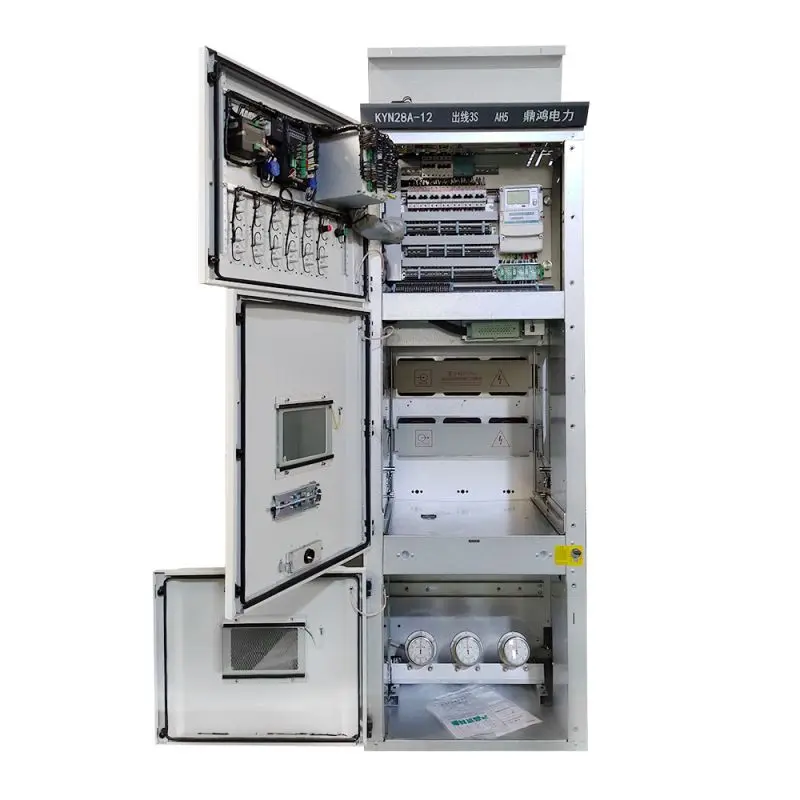
Low voltage switchgear and medium voltage switchgear are two types of electrical equipment that help control and protect electrical systems. They both have important jobs, but they work with different voltage levels. First Power is a company that understands these differences well. We know how important it is for businesses to choose the right equipment for their needs. When you know what low voltage and medium voltage switchgear can do, you can make better choices for your operations. This article will help you understand what each type of switchgear is, how they can improve your operations, and the key differences between them.
How It Can Enhance Your Operations
Using the right switchgear can really make a difference in how well your business runs. Low voltage switchgear is great for controlling and protecting electrical systems that work with lower voltage, usually up to 1,000 volts. This is commonly used in homes and small businesses. For example, if you have a coffee shop, low voltage switchgear helps control the power for your coffee machines, lights, and other equipment. When everything works well together, it makes your customers happy, and they keep coming back.
Medium voltage switchgear, on the other hand, is used for systems that operate between 1,000 and 35,000 volts. This is often found in larger businesses, factories, or power plants. For instance, if you run a factory that makes toys, medium voltage switchgear can help manage the power for large machines that create those toys. By selecting the right switchgear, you can reduce downtime, improve safety, and even save money on energy costs. First Power focuses on helping companies like yours find the perfect switchgear for their needs. This means you can get back to what you do best running your business.
What Are the Key Differences Between Low Voltage and Medium Voltage Switchgear?
The main difference between low voltage and medium voltage switchgear is the amount of voltage they handle. As mentioned, low voltage switchgear deals with up to 1,000 volts, which is safe for everyday use in homes and small businesses. It usually includes components like circuit breakers and fuses to protect electrical circuits. This type of switchgear also tends to be smaller and easier to install.
Medium voltage switchgear operates at higher voltages, ranging from 1,000 to 35,000 volts. This switchgear is larger and more complex. It often includes gear that can handle more power and provide better protection for big systems. For example, medium voltage switchgear can manage the distribution of electricity to different parts of a factory. It's essential for maintaining the safety and efficiency of larger operations.
Another difference is how they are used. Low voltage switchgear is often used in residential and commercial settings, while medium voltage switchgear is found in industrial environments. The safety requirements for medium voltage switchgear are generally more stringent because of the higher voltages involved. First Power knows these differences matter, so we help you understand which kind you need for your specific situation. This way, you can make informed choices and keep your operations running smoothly.
How to Choose the Right Low and Medium Voltage Switchgear
When you're trying to choose the right switchgear for your wholesale needs, it’s important to understand what switchgear is and how it works. Switchgear is a group of electrical devices that control, protect, and isolate electrical equipment. There are two main types: low voltage and medium voltage switchgear. Low voltage switchgear usually works with electricity up to 1,000 volts, while medium voltage switchgear handles electricity from 1,000 to 35,000 volts. First Power can help you decide which one is best for your project. Start by thinking about how much voltage you need for your equipment. If you're working with smaller machines or appliances, low voltage switchgear is usually the way to go. However, if your project involves larger tools or more powerful electrical systems, then medium voltage switchgear would be better. Another thing to consider is where the switchgear will be used. If it's outdoors or in a wet area, make sure the switchgear has good protection against the weather. You should also think about how much space you have. Some switchgear can be quite large, so ensure you have enough room to install it. Finally, look into the cost. First Power offers a range of products that can fit different budgets, so you don’t have to worry about spending too much. When you know your needs and requirements, picking the right switchgear becomes much easier.
Key Factors to Consider When Selecting Switchgear
When selecting switchgear, it’s essential to watch out for a few important factors. First, check the safety features. Safety is the most important thing when dealing with electricity. Make sure the switchgear has built-in protections to prevent accidents, such as short circuits or overloads. First Power provides switchgear that meets strict safety standards, ensuring you can work without worry. Next, consider the reliability of the switchgear. You want to choose products that are known for their durability and long life. Look for reviews or ask other customers about their experiences with different types of switchgear. This can give you an idea of what works well and what doesn’t. Also, think about the ease of maintenance. You want transformer switchgear that is easy to inspect and repair. If something goes wrong, you don’t want to spend too much time and money getting it fixed. Lastly, make sure you understand the warranty and support that comes with the switchgear. First Power stands behind its products and offers great customer service, so you can get help if you need it. Watching out for these factors can help you make a smart choice.
Common Challenges in Switchgear Selection and How to Overcome Them
Understanding the common challenges in selecting switchgear for your projects can help you avoid problems down the road. One challenge is figuring out the right specifications. Sometimes, it can be confusing to understand what voltage and current ratings you need. If you choose the wrong specifications, it can lead to equipment failure. First Power has experts who can help you understand these details and ensure you get the right switchgear for your needs. Another common challenge is the installation process. Installing switchgear can be tricky, especially if you have limited experience. It’s important to follow all guidelines and safety rules during installation. If you’re unsure, it might be a good idea to hire a professional to help you. Additionally, budget constraints can be a challenge. You may want the best quality switchgear, but sometimes it’s not in your budget. First Power offers a variety of options that can help you find a balance between quality and cost. Lastly, keeping up with technology can be tough. Switchgear technology is always changing, and new features are regularly introduced. Staying updated on these changes can help you choose the most efficient and effective switchgear for your projects. By understanding these challenges, you can make a better choice and ensure your electrical systems run smoothly.